
This chapter continues the laws of chapters 21–23. It speaks of theft (1–15), fornication (16–20), oppression (21–27), reviling (28), and robbing God of His due (29–31).
1. Theft
KJV · Verses 1–15
1 If a man shall steal an ox, or a sheep, and kill it, or sell it; he shall restore five oxen for an ox, and four sheep for a sheep. 2 If a thief be found breaking up, and be smitten that he die, there shall no blood be shed for him. 3 If the sun be risen upon him, there shall be blood shed for him; for he should make full restitution; if he have nothing, then he shall be sold for his theft. 4 If the theft be certainly found in his hand alive, whether it be ox, or ass, or sheep; he shall restore double. 5 If a man shall cause a field or vineyard to be eaten, and shall put in his beast, and shall feed in another man's field; of the best of his own field, and of the best of his own vineyard, shall he make restitution. 6 If fire break out, and catch in thorns, so that the stacks of corn, or the standing corn, or the field, be consumed therewith; he that kindled the fire shall surely make restitution. 7 If a man shall deliver unto his neighbour money or stuff to keep, and it be stolen out of the man's house; if the thief be found, let him pay double. 8 If the thief be not found, then the master of the house shall be brought unto the judges, to see whether he have put his hand unto his neighbour's goods. 9 For all manner of trespass, whether it be for ox, for ass, for sheep, for raiment, or for any manner of lost thing which another challengeth to be his, the cause of both parties shall come before the judges; and whom the judges shall condemn, he shall pay double unto his neighbour. 10 If a man deliver unto his neighbour an ass, or an ox, or a sheep, or any beast, to keep; and it die, or be hurt, or driven away, no man seeing it: 11 Then shall an oath of the Lord be between them both, that he hath not put his hand unto his neighbour's goods; and the owner of it shall accept thereof, and he shall not make it good. 12 And if it be stolen from him, he shall make restitution unto the owner thereof. 13 If it be torn in pieces, then let him bring it for witness, and he shall not make good that which was torn. 14 And if a man borrow ought of his neighbour, and it be hurt, or die, the owner thereof being not with it, he shall surely make it good. 15 But if the owner thereof be with it, he shall not make it good: if it be an hired thing, it came for his hire.
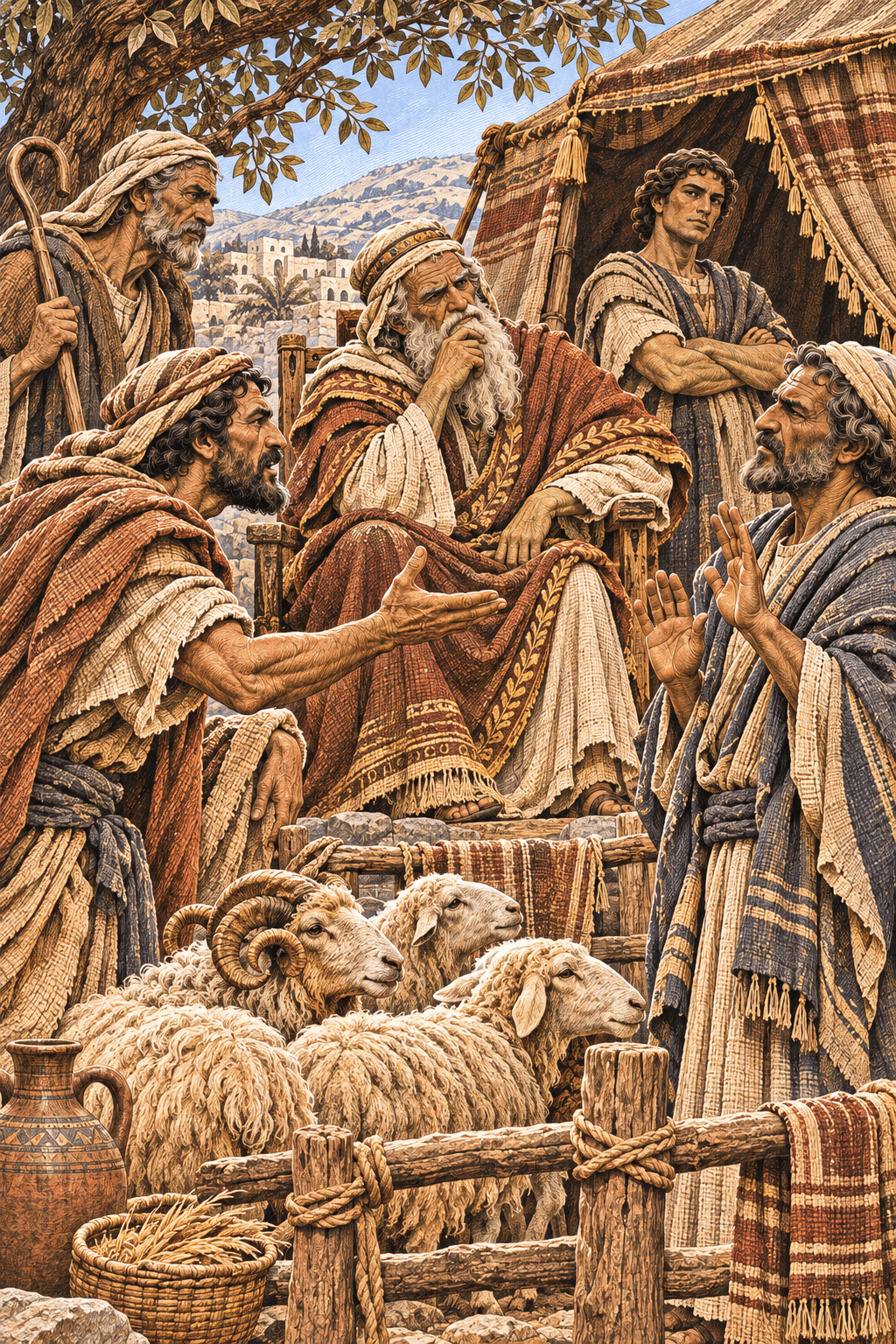
God considered Himself responsible not only for a person’s life and body, but also for his possessions. Every selfishness in a person’s life, by which he wants to acquire something for himself at his brother’s expense, is counted a sin he commits against God Himself. The Law concerning theft, the thief, and the one robbed was very flexible for that age. For example:
A) As for the thief himself, he exposes his life, his freedom, and his possessions to loss. If he is killed while stealing at night, no blood is to be shed for him. If he steals, he must repay the one robbed double if the stolen thing is found in his hand (4); but if he has disposed of it by selling or slaughtering it, he restores five oxen for an ox and four sheep for a sheep (1), even if he must sell all his possessions or sell himself as a servant (3)!!
With all this severity, “the life of the thief” was a matter of God’s concern. If the thief was caught stealing in the daytime and struck until he died, his blood was required of the one who killed him (3). For God does not want the spirit of revenge but of discipline! But at night it is assumed that the owner struck him in the dark, so if the thief died, the thief was responsible for himself (2)!
B) Theft does not stop at robbery; it also happens through negligence, as when a man leaves his cattle in his field without fences so that they graze in another man’s field (5), or lights a fire among the thorns of his land so that it consumes his neighbor’s crops (6), or is entrusted with gold, silver, or an animal and neglects to keep the trust. Here the judges give the verdict.
C) In the case of a lost deposit, or the death of cattle given in trust or borrowed, the judgment is flexible, according to what the judges decide, and also according to the means of the owner of the deposit: if he is in need, the one with whom it was deposited is bound to make restitution.
D) God considered a person bound to keep his neighbor’s possessions, especially in his absence. Since there were no storehouses in banks and no insurance, the cooperation of the community supported everyone; so a person should not leave an animal to graze in his neighbor’s field, nor be careless in lighting a fire that harms his neighbor’s crops.
2. Fornication
KJV · Verses 16–20
16 And if a man entice a maid that is not betrothed, and lie with her, he shall surely endow her to be his wife. 17 If her father utterly refuse to give her unto him, he shall pay money according to the dowry of virgins. 18 Thou shalt not suffer a witch to live. 19 Whosoever lieth with a beast shall surely be put to death. 20 He that sacrificeth unto any god, save unto the Lord only, he shall be utterly destroyed.
We have already spoken of the crime of fornication in chapter 20, “the seventh commandment.”
Here the meaning of fornication is widened to include sorcery and sacrificing to strange gods. Whoever uses sorcery as a help to himself is like a wife who leaves her husband to look for another to support her. And sacrificing to idols is like a bride who, instead of offering her life as a sacrifice of love to her only Bridegroom, gives up her heart as a sacrifice of lust and uncleanness to others.
Some mistakenly think that God forbade fornication because of the harm done to one of the two parties, bodily, socially, or morally, or to a third party such as the husband of the woman wronged. But the Law reveals the gravity of fornication as a defilement and uncleanness which God cannot bear. So He commands that whoever does evil with an animal be put to death (19), for he defiles his soul and his body, and even defiles the land.
3. Oppression
KJV · Verses 21–27
21 Thou shalt neither vex a stranger, nor oppress him: for ye were strangers in the land of Egypt. 22 Ye shall not afflict any widow, or fatherless child. 23 If thou afflict them in any wise, and they cry at all unto me, I will surely hear their cry; 24 And my wrath shall wax hot, and I will kill you with the sword; and your wives shall be widows, and your children fatherless. 25 If thou lend money to any of my people that is poor by thee, thou shalt not be to him as an usurer, neither shalt thou lay upon him usury. 26 If thou at all take thy neighbour's raiment to pledge, thou shalt deliver it unto him by that the sun goeth down: 27 For that is his covering only, it is his raiment for his skin: wherein shall he sleep? and it shall come to pass, when he crieth unto me, that I will hear; for I am gracious.
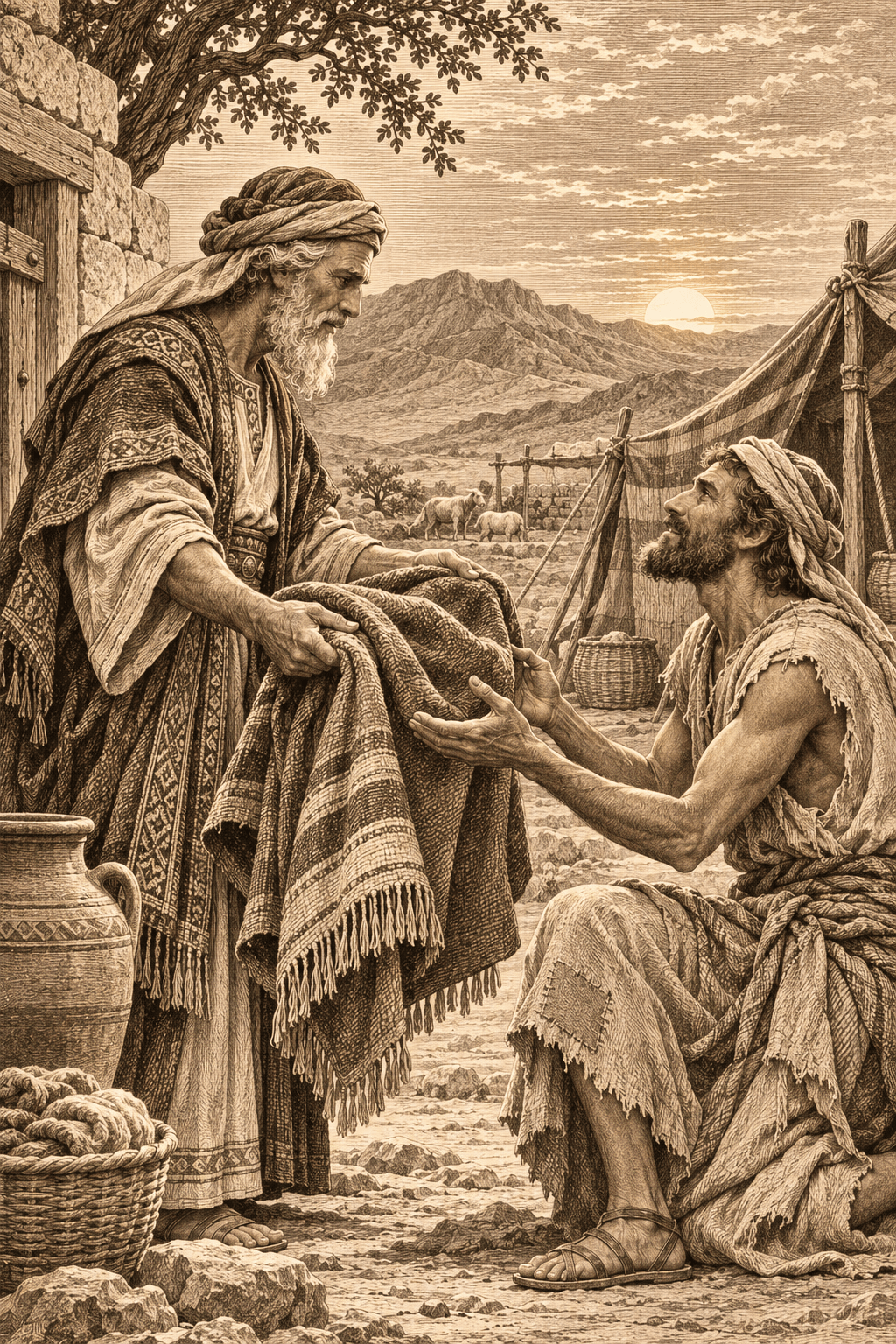
God cannot bear a person’s oppression of his brother, especially if the one wronged is a stranger, a widow, an orphan, or poor. He forbade usury (25), because loans were not used in business to increase income, but because of need, so that some were forced to pledge the garment that covered them… God wants mercy, so He does not allow a person to keep his brother’s garment as a pledge after the sun goes down (26).
He warned them against oppression and reminded them of two things: first, that they had tasted the humiliation of being strangers, so how could they not feel the pain of strangers?! (21); second, that He cannot bear to hear the cries of the suffering and the needy, and His wrath will wax hot against the oppressors (23–24).
4. Against Reviling
KJV · Verses 28
28 Thou shalt not revile the gods, nor curse the ruler of thy people.
He says: “Thou shalt not revile the gods, nor curse the ruler of thy people” (28).
The Church stands on mutual respect and the obedience of the younger to the elder. The believer feels God’s care and providence, so he does not sin against God, and he also obeys the rulers in the Lord.
5. Robbing God of His Due
KJV · Verses 29–31
29 Thou shalt not delay to offer the first of thy ripe fruits, and of thy liquors: the firstborn of thy sons shalt thou give unto me. 30 Likewise shalt thou do with thine oxen, and with thy sheep: seven days it shall be with his dam; on the eighth day thou shalt give it me. 31 And ye shall be holy men unto me: neither shall ye eat any flesh that is torn of beasts in the field; ye shall cast it to the dogs.
Having spoken in this chapter of not seizing the possessions of others (theft) and not oppressing strangers, the weak, and the needy, He speaks of not robbing Him of His right to the firstfruits, not because God is in need, but for the sake of the poor and the needy.
We spoke before of offering the firstborn of sons (see Exodus 13) as a sign of the sanctification of the whole people to God.
Wonderfully, He is concerned not only with the firstfruits, so that the needy may find enough in the house of the Lord, but even with the dogs, for He says: “Neither shall ye eat any flesh that is torn of beasts in the field; ye shall cast it to the dogs” (31).
That is on one side. On the other, He asks us to be holy to Him: positively, by offering the firstborn of sons and the firstlings of animals and crops; and negatively, by abstaining from forbidden and unclean things: “Neither shall ye eat any flesh that is torn of beasts in the field.” It is as if the believer, in his fellowship with God, strives both in doing virtue and in refraining from vice; he does good and abstains from evil.