
Chapters 11 and 12 speak of the last plague, the slaying of the firstborn, which was bound up with the Passover lamb.
1. The Slaying of the Firstborn
KJV · Verses 1–10
1 And the Lord said unto Moses, Yet will I bring one plague more upon Pharaoh, and upon Egypt; afterwards he will let you go hence: when he shall let you go, he shall surely thrust you out hence altogether. 2 Speak now in the ears of the people, and let every man borrow of his neighbour, and every woman of her neighbour, jewels of silver and jewels of gold. 3 And the Lord gave the people favour in the sight of the Egyptians. Moreover the man Moses was very great in the land of Egypt, in the sight of Pharaoh's servants, and in the sight of the people. 4 And Moses said, Thus saith the Lord, About midnight will I go out into the midst of Egypt: 5 And all the firstborn in the land of Egypt shall die, from the first born of Pharaoh that sitteth upon his throne, even unto the firstborn of the maidservant that is behind the mill; and all the firstborn of beasts. 6 And there shall be a great cry throughout all the land of Egypt, such as there was none like it, nor shall be like it any more. 7 But against any of the children of Israel shall not a dog move his tongue, against man or beast: that ye may know how that the Lord doth put a difference between the Egyptians and Israel. 8 And all these thy servants shall come down unto me, and bow down themselves unto me, saying, Get thee out, and all the people that follow thee: and after that I will go out. And he went out from Pharaoh in a great anger. 9 And the Lord said unto Moses, Pharaoh shall not hearken unto you; that my wonders may be multiplied in the land of Egypt. 10 And Moses and Aaron did all these wonders before Pharaoh: and the Lordhardened Pharaoh's heart, so that he would not let the children of Israel go out of his land.
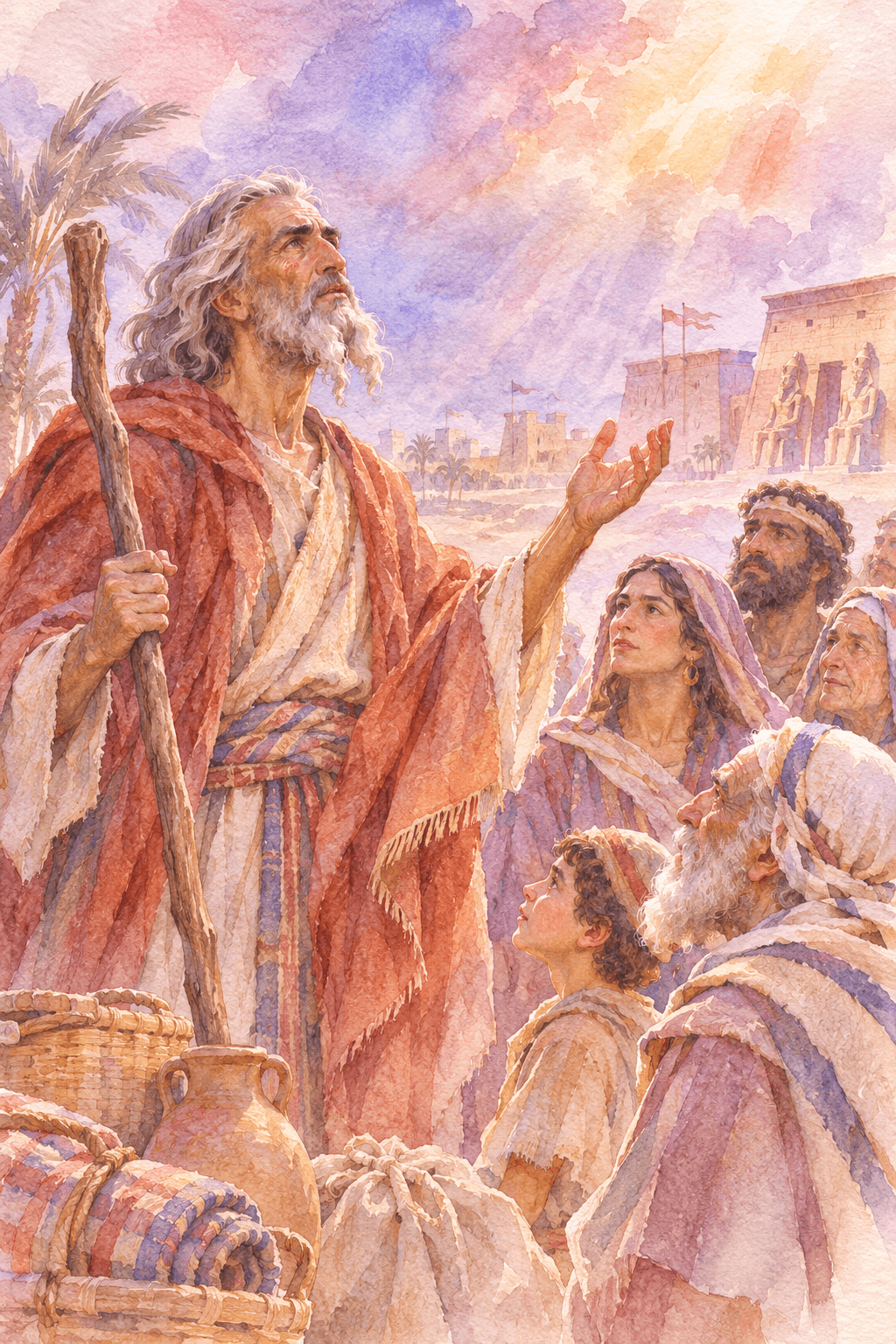
A) Tertullian sees that the Egyptians paid the price of what they had done in killing the children of the Hebrews and casting them into the river; the Lord disciplined them by their own deed. [169]
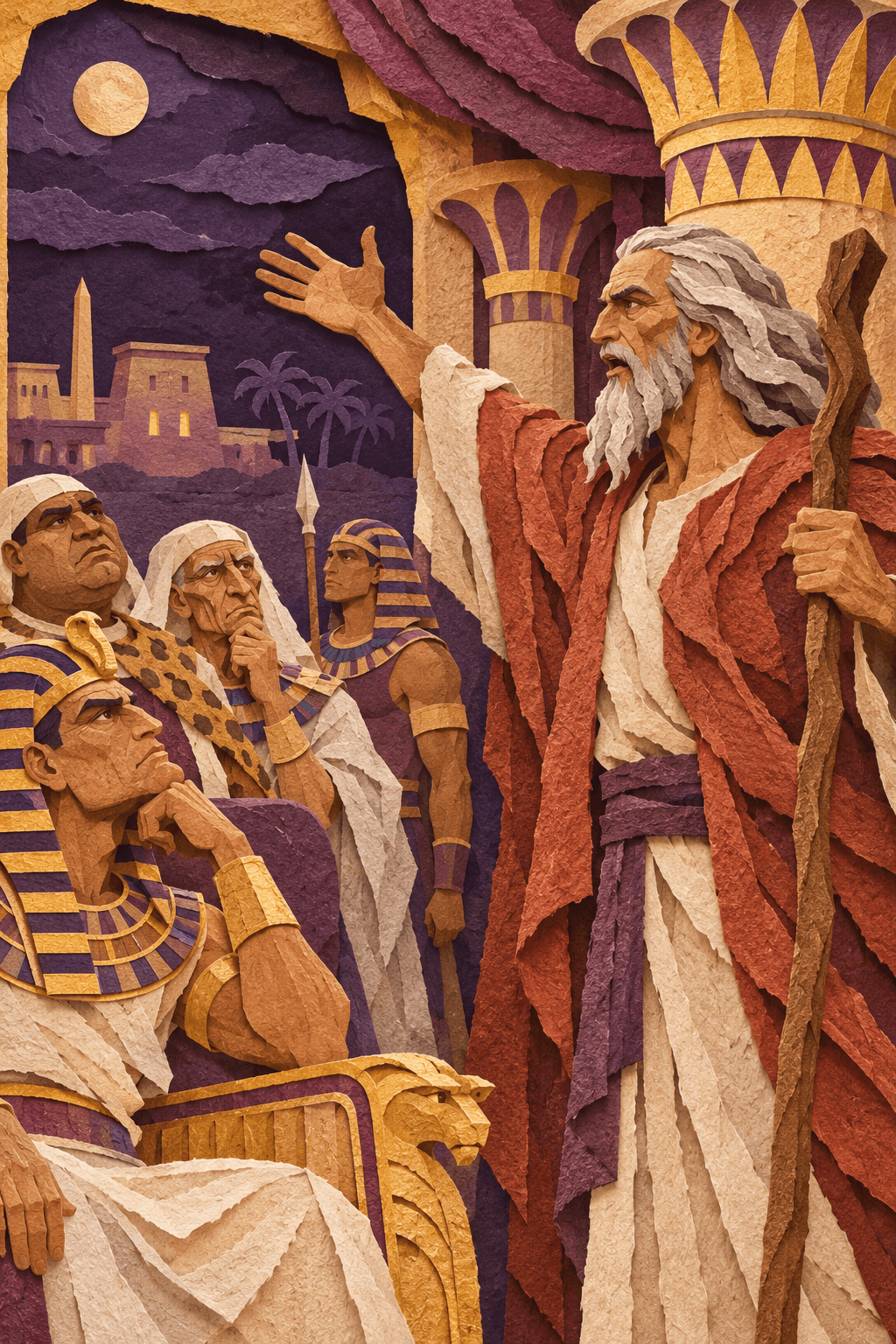
B) God allowed all the firstborn to be slain, and not one beast to be left untouched in Egypt. This is a symbolic picture of the work of God, who will destroy evil; but as for His children, even the very hairs of their heads are all numbered (Matthew 10:30) and under His care.
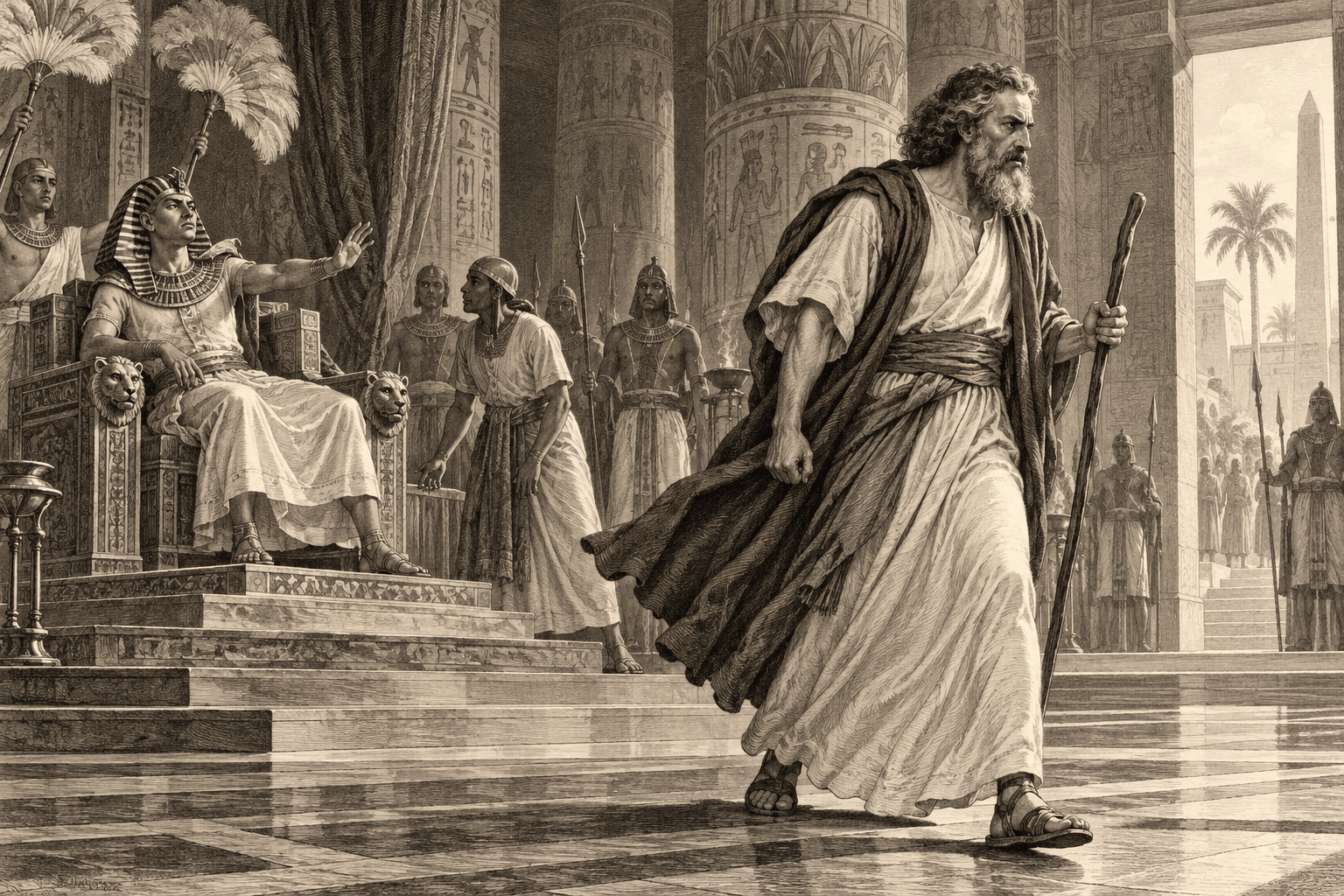
C) Saint Gregory of Nyssa sees in this matter a symbolic sign of destroying every cause of sin. He says:
Whoever lays hold of evil through virtue ought to kill it from its beginning; in this way he destroys what comes after it. This is what the Lord teaches us in the Gospel, clearly calling us to kill the firstborn of evil… for He commanded us to destroy lust and anger, so that we need not fear the stain of adultery and the crime of murder (Matthew 5:22, 28). For these two do not come suddenly: anger produces murder, and lust begets adultery… So by destroying the firstborn (lust and anger) we certainly kill what follows from them. If we take the serpent as an example: whoever crushes its head has at the same time killed its body. [170]
Notes and References
[169] Tertullian, Against Marcion 2:20.
[170] Gregory of Nyssa, Life of Moses 2:92–94.